
From Physical Shelves to Digital Assets: How Industries Save Millions Through Digital Warehouses
The Hidden Cost of Traditional Inventory
Every year, billions of dollars are wasted on spare parts that sit idle in traditional warehouses.
Conventional spare parts management faces major challenges: tied up capital, obsolescence, high storage costs, and global supply chain risks.
But what if spare parts could exist digitally and only be produced when needed?
This is where the concept of the Digital Warehouse comes in, revolutionizing how industries manage their inventory.

The Problem with Physical Shelves
Physical warehouses create hidden costs that drain profitability. Companies typically tie up 25% to 30% more capital in physical inventory than necessary, locking away funds that could otherwise fuel growth and innovation. At the same time, operating costs remain high, with 20% to 60% of warehouse expenses consumed by storage, handling, labor, insurance, and security.
Another challenge comes from obsolescence and waste. Spare parts often become obsolete when designs change or when original manufacturers halt support, resulting in significant financial write-offs. Adding to these issues are slow lead times, as importing spare parts can take weeks or even months, delaying maintenance and driving up costs.

The Digital Asset: A Game Changer in Additive Manufacturing
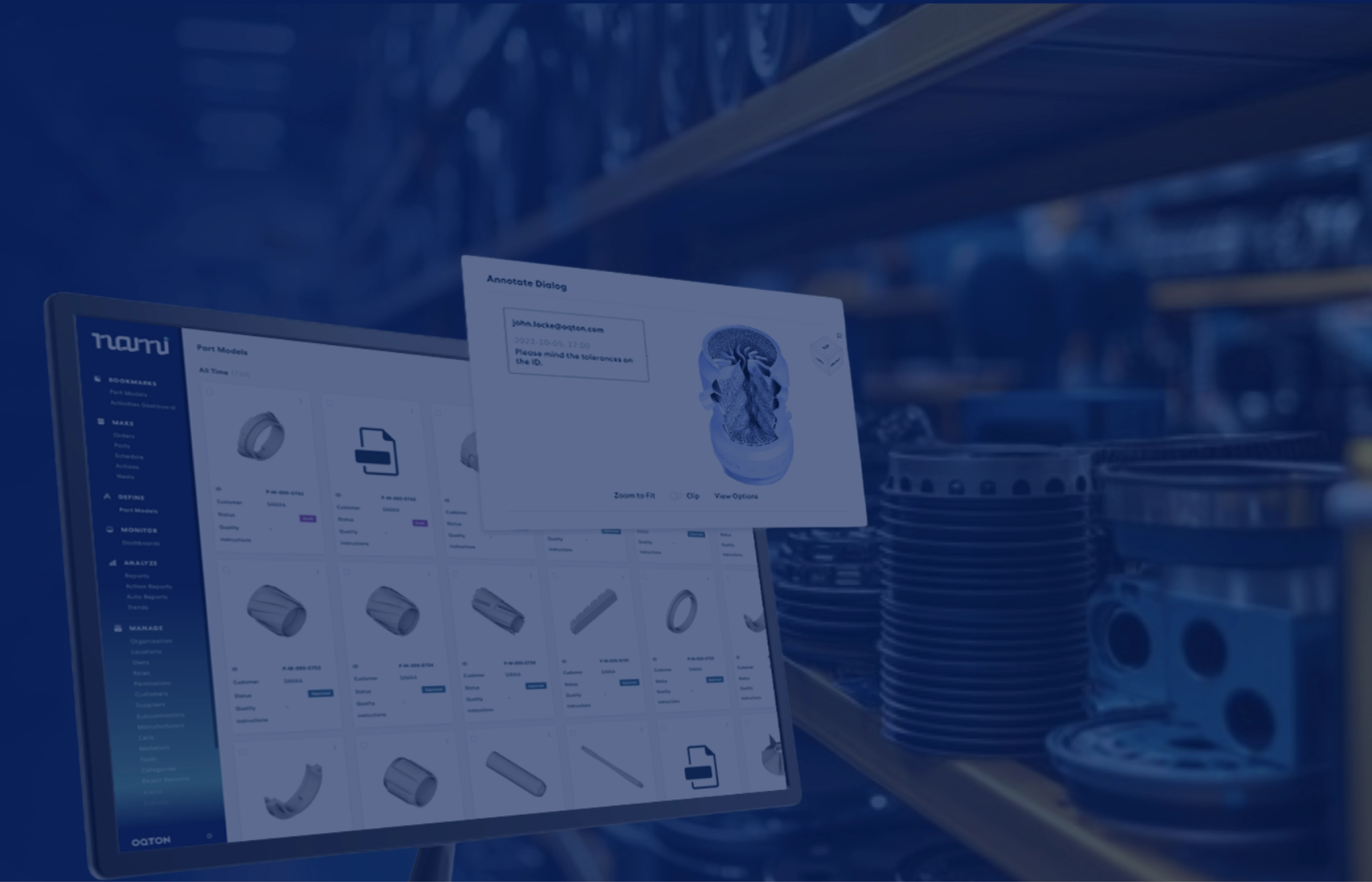
The concept of the Digital Asset is reshaping industries. A Digital Asset is a secure digital file of a spare part stored in a Digital Warehouse, ready to be produced rapidly using 3D printing, also known as Additive Manufacturing.
This model offers remarkable benefits. It provides flexibility, allowing companies to quickly adapt to changes in design or demand. It ensures fast response times through on-demand 3D printing of spare parts. Most importantly, it lowers risks by reducing issues of obsolescence and minimizing the need for large-scale storage. This transition from physical inventory to digital warehouses powered by additive manufacturing is redefining supply chain efficiency.
How Digital Warehouses Save Millions
By combining Digital Assets and 3D printing, industries can unlock entirely new value. Instead of maintaining costly stockpiles, companies can store digital files. For example, Deutsche Bahn leveraged 3D printing to produce spare parts on demand, avoiding massive investments in warehouse storage.
The advantages extend further. Lead times shrink dramatically, ensuring faster maintenance and greater operational efficiency. This model also allows customization on demand, enabling updates and production of new designs without additional tooling. Local 3D printing strengthens supply chain resilience by reducing reliance on imports, while sustainability is enhanced through less waste, lower carbon emissions, and smarter spare parts management.
Case Study: Lessons from the Real World
A clear example of this transformation can be found at Siemens Mobility’s digital rail maintenance center. By successfully integrating 3D printing into its Digital Warehouse model, the company managed to reduce production times by up to 95%. Beyond cost reductions, this shift improved supply chain resilience, lessened dependence on external suppliers, and accelerated repair cycles.
Such cases highlight how Digital Warehouses and Digital Assets are transforming spare parts management, saving millions, and boosting operational performance across industries.

Vision 2030 and the Digital Future of Saudi Industry
In Saudi Arabia, this transformation aligns seamlessly with Vision 2030, which prioritizes industrial localization and advanced manufacturing. Digital Warehouses and 3D printing are no longer just technologies they are strategic enablers for local production, reduced costs, and resilient supply chains.
As a leader in Additive Manufacturing, NAMI (National Additive Manufacturing and Innovation Company), a partner of the Ministry of Industry and Mineral Resources’ Advanced Manufacturing Center, is driving this change. Through innovative Digital Warehouse solutions, NAMI empowers industries in Saudi Arabia to build local manufacturing strength, reduce reliance on global supply chains, and achieve true supply chain resilience in line with Industry 4.0.
The future starts now with NAMI.
Discover how our Digital Warehouse can transform your spare parts management and supply chain today.
info@nami3dp.com
 article
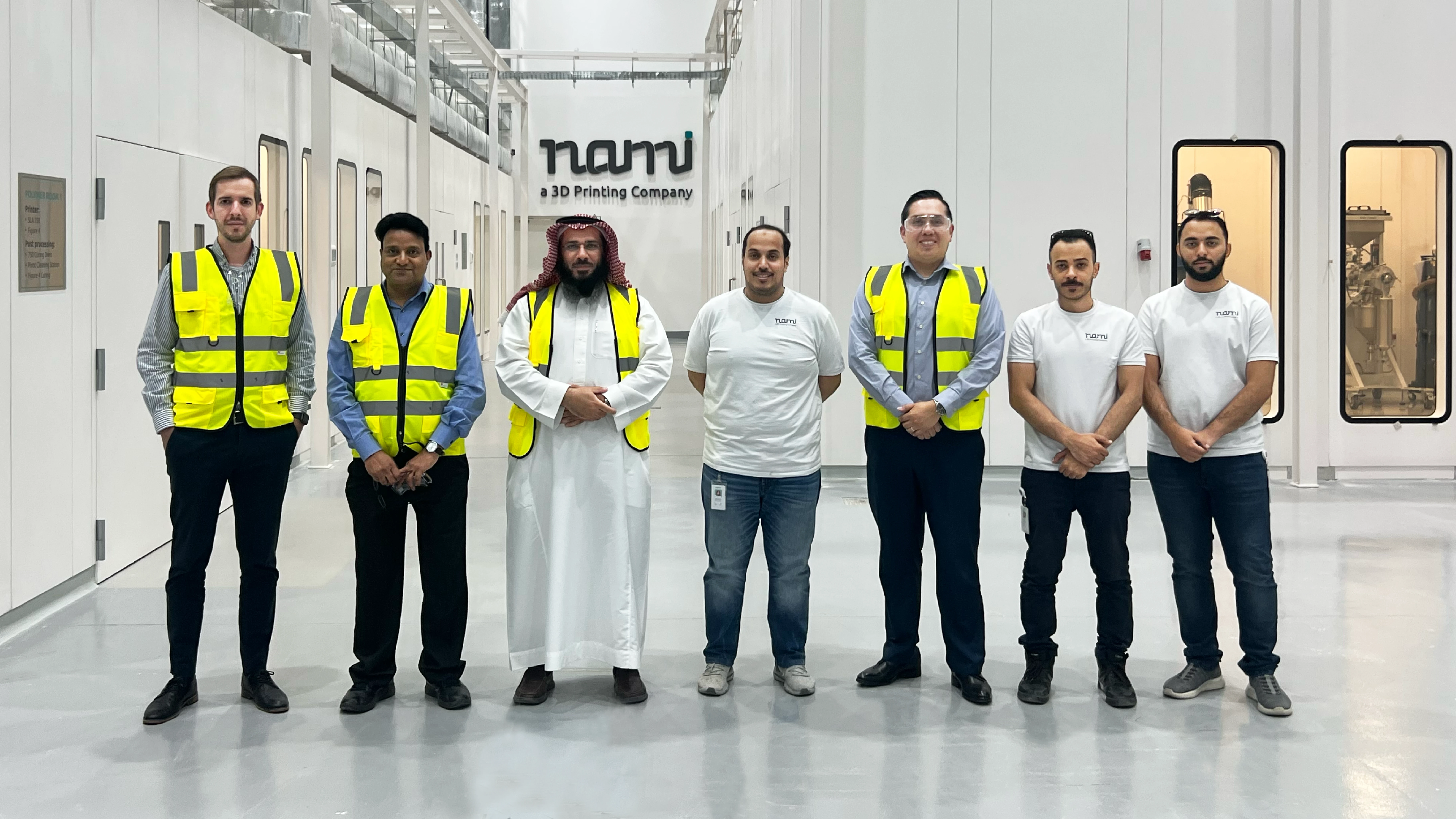
INITIATION OF AM FACILITY QUALIFICATION FOR OIL & GAS PARTS BY NAMI AND DNV
 article
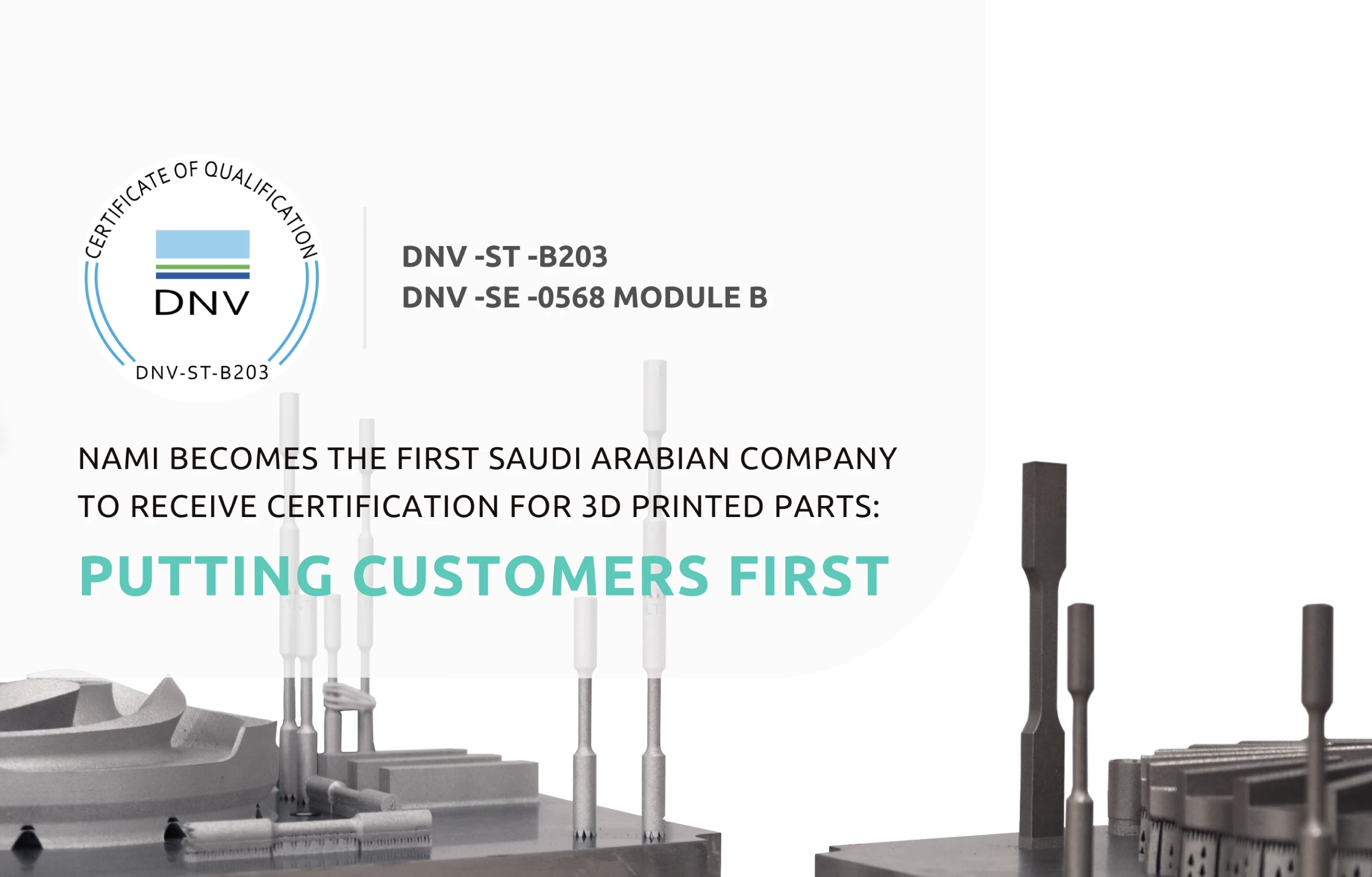
NAMI BECOMES THE FIRST SAUDI ARABIAN COMPANY TO RECEIVE CERTIFICATION FOR 3D PRINTED PARTS: PUTTING
 article
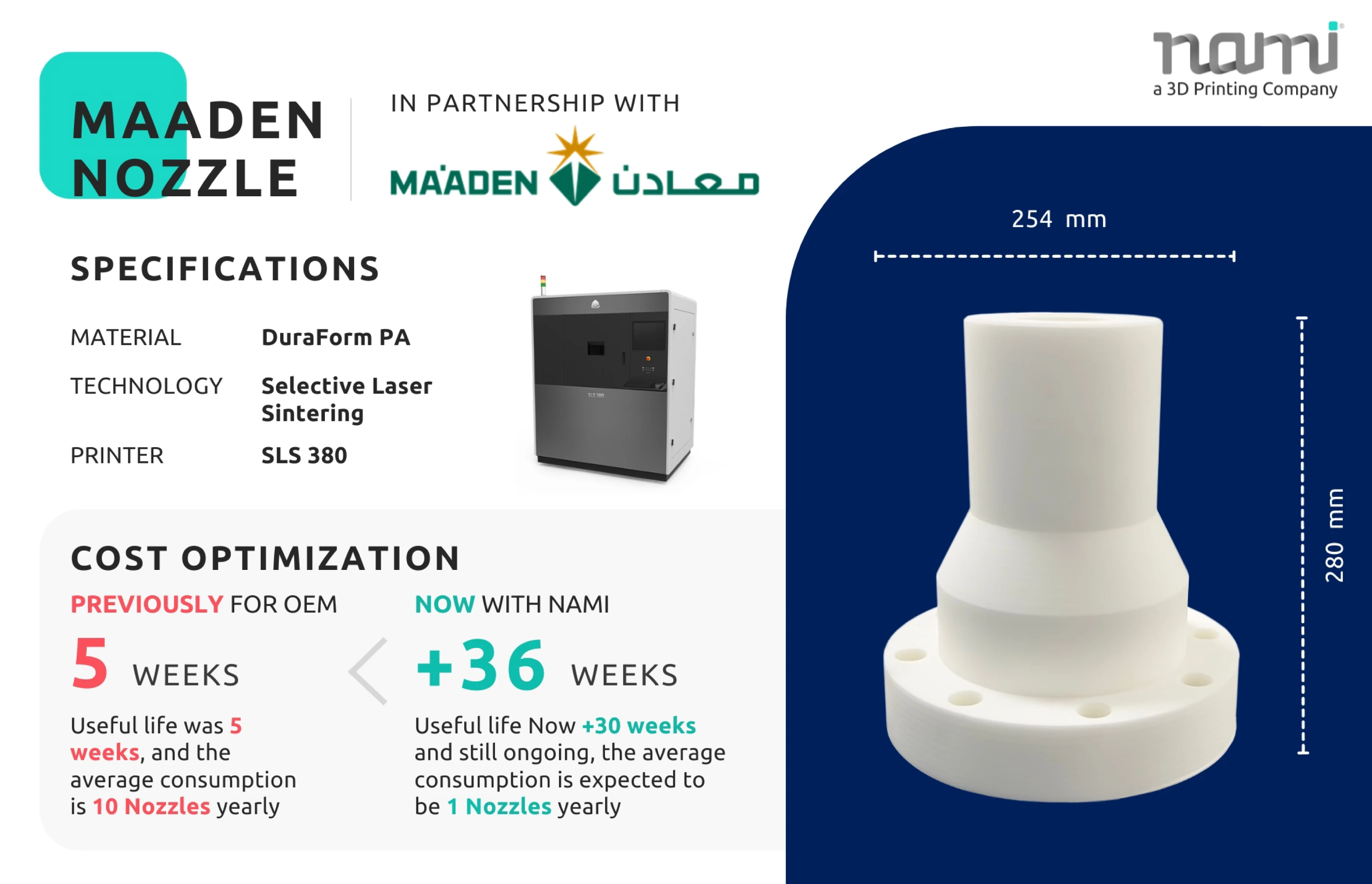
NAMI and MAADEN | A Groundbreaking Partnership in 3D Printing
 article
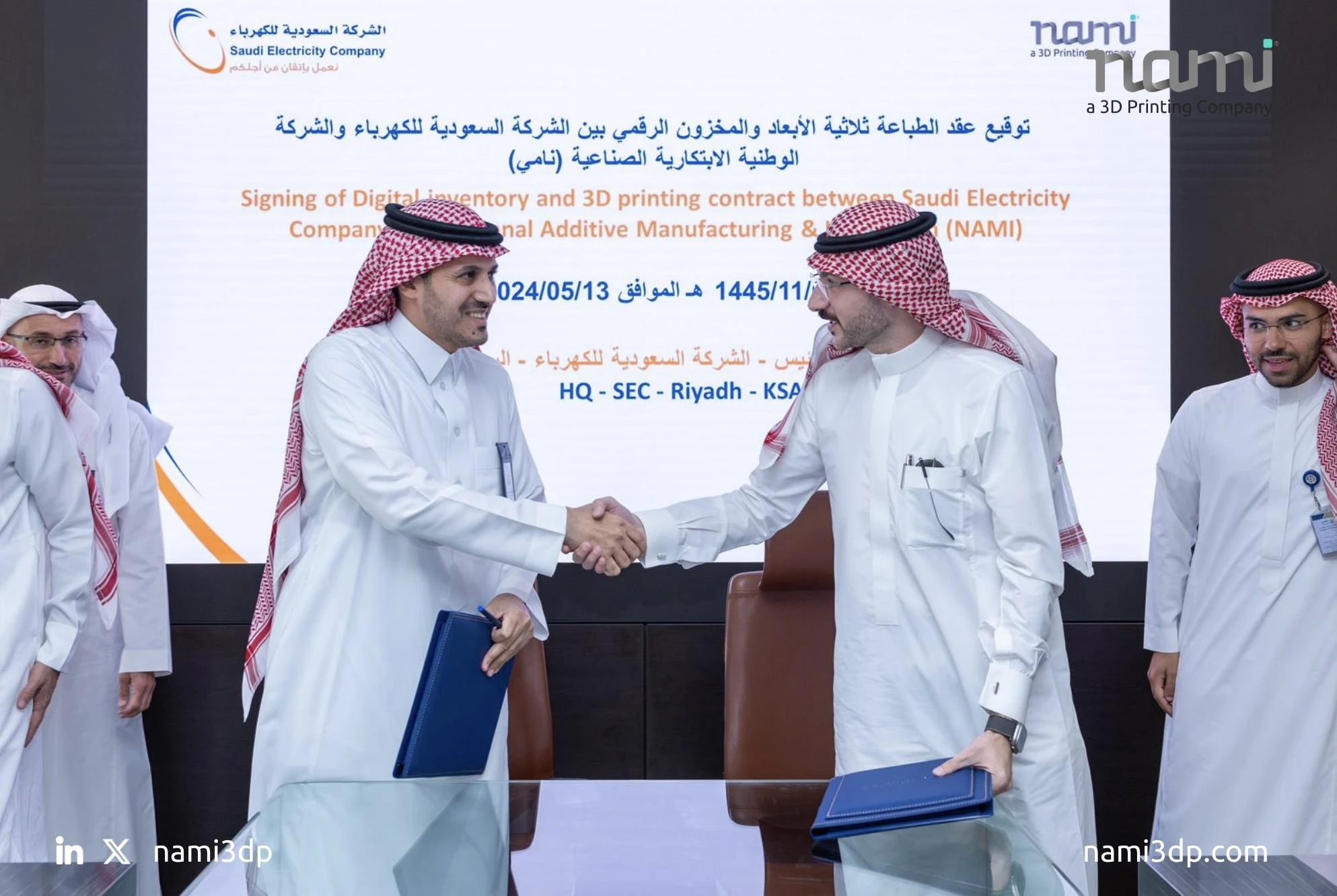
Signing of Digital inventory and 3D Printing agreement between Saudi SEC and NAMI
 article
King Saud University and NAMI: A New Era of Innovation and Collaboration
 article
Siemens Energy and NAMI Collaboration
 article
NAMI: Revolutionising Manufacturing in the Kingdom with 3D Printing
 article
Towards a Local Industrial Future: How NAMI is Advancing Digital Manufacturing in Saudi Arabia
 article
Which 3D Printing Technology Best Fits Your Needs?
 article
Why Additive Manufacturing Is a Game-Changer for Saudi Industry?
 article
From Physical Shelves to Digital Assets: How Industries Save Millions Through Digital Warehouses
 article
NAMI and Saudi Electricity Company
 article
Choosing the Right Part
 article