
Which 3D Printing Technology Best Fits Your Needs?
Which 3D Printing Technology Best Fits Your Needs?
EXT, SLA, SLS, DLP, and DMP Explained
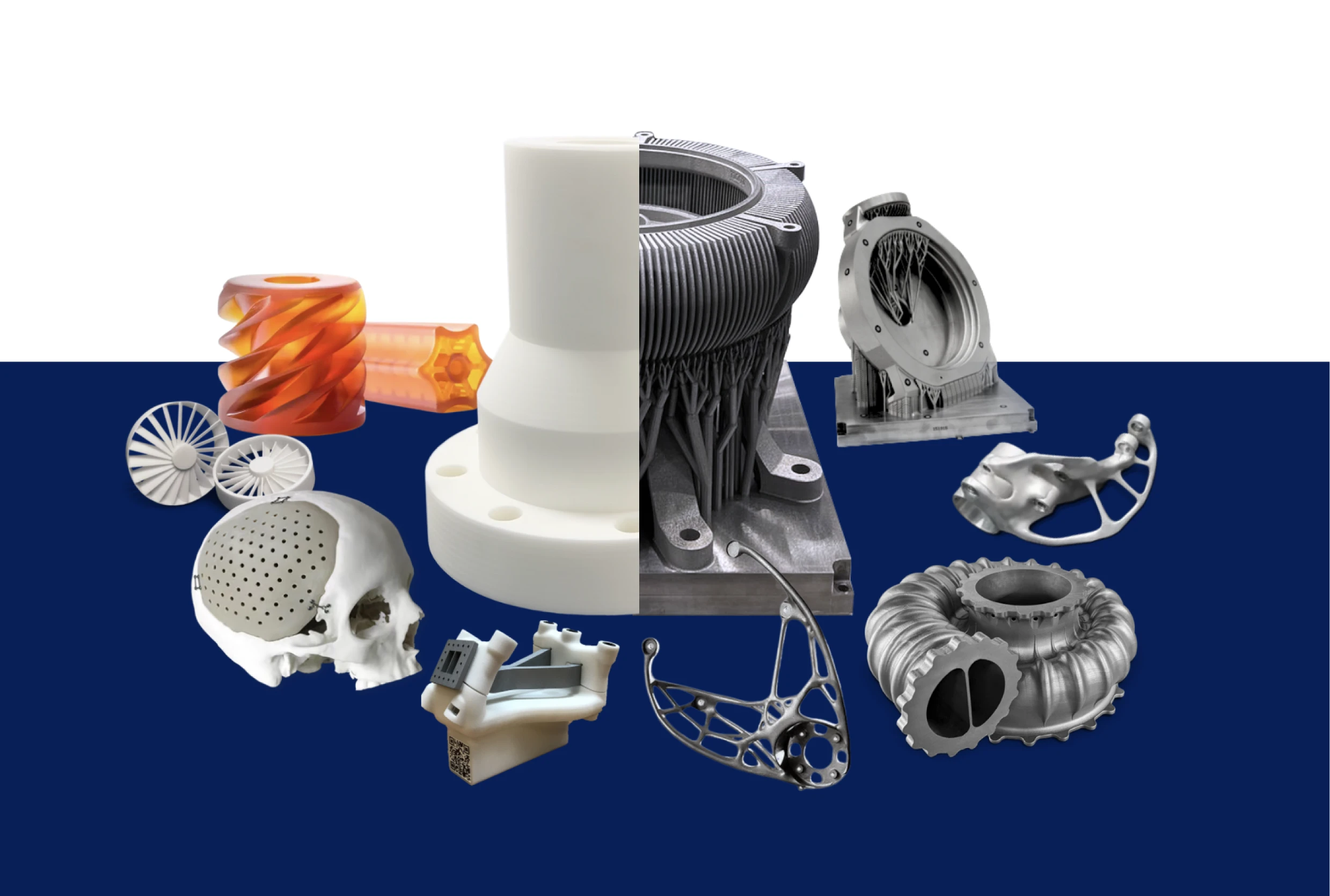
3D printing is no longer just for prototypes. Today it plays a vital role across industries from aerospace to consumer goods. At NAMI, we offer a full range of technologies including EXT (Pellet Extrusion), SLA (Stereolithography), SLS (Selective Laser Sintering), DLP (Digital Light Processing), and DMP (Direct Metal Printing). Here is a quick guide to help you choose the right one.
COST AND INDUSTRIES
EXT (Pellet Extrusion) is among the most affordable methods, using low-cost pellets to produce large and durable parts.
Industries: Consumer Goods, Aerospace (tool making), Industrial Manufacturing.
SLA (Stereolithography) offers outstanding surface finish and detail, ideal when visual quality matters more than volume.
Industries: Consumer Goods, Automotive, Aerospace, Medical.
SLS (Selective Laser Sintering) creates strong, functional parts without the need for supports, perfect for complex designs. Cost-effective for relatively higher volumes.
Industries: Aerospace, Automotive, Energy.
DLP (Digital Light Processing) delivers fast, highly detailed and relatively smaller parts, ideal for industries needing speed without sacrificing precision. Can be cheaper for smaller parts that are needed fast.
Industries: Automotive, Aerospace, Consumer Goods.
DMP (Direct Metal Printing) produces fully dense metal components with superior strength and accuracy, suitable for mission critical applications. Best suited for high-value, performance-driven industries where precision and durability justify the investment.
Industries: Aerospace, Energy, Medical.
PRINT SIZE & QUALITY
EXT builds strong parts, but layer lines are more visible, making it better suited for functional rather than cosmetic pieces. Can build parts up to a meter cubed.
SLA achieves the finest surface quality and detail, making it perfect for prototypes that need to impress. Can print parts up to 750 mm x 750 mm x 550 mm.
SLS delivers durable components with a slightly rough texture, which can be smoothed and dyed if needed. Can print parts up to 381 x 330 x 460 mm.
DLP offers fast printing with excellent detail, ideal for small, high precision parts. Can generally print parts up to 124.8 x 70.2 x 196 mm.
DMP produces metal parts with exceptional mechanical strength and dimensional accuracy. Can generally print parts around 270 x 270 x 420 mm but also up to half a meter cubed for Ni625 etc.
MATERIALS
EXT uses a wide range of injection moulding thermoplastics including ABS-CF, PETG and other carbon fibre composites.
SLA resins vary from rigid to flexible, with options for high heat resistance and engineering applications.
SLS relies mainly on tough nylon powders like PA12 and HST, perfect for demanding environments.
DLP resins are designed for both rapid prototyping and end use parts, balancing strength and detail.
DMP works with metals such as stainless steel (SS 316L), aluminium (Alsi10Mg), nickel alloys (Ni718/625) and titanium (Ti6Al4V) for top performance.
CONCLUSION
Each technology serves different needs. EXT is ideal for affordable large scale production. SLA is best for high quality prototypes. SLS offers durable parts with complex geometries. DLP is excellent for fast detailed production. DMP leads the way in metal manufacturing.
At NAMI, we’re here to support you, whether you’re looking to purchase a 3D printer or request 3D printing services.
Contact us anytime at:
website.requests@nami3dp.com
 article
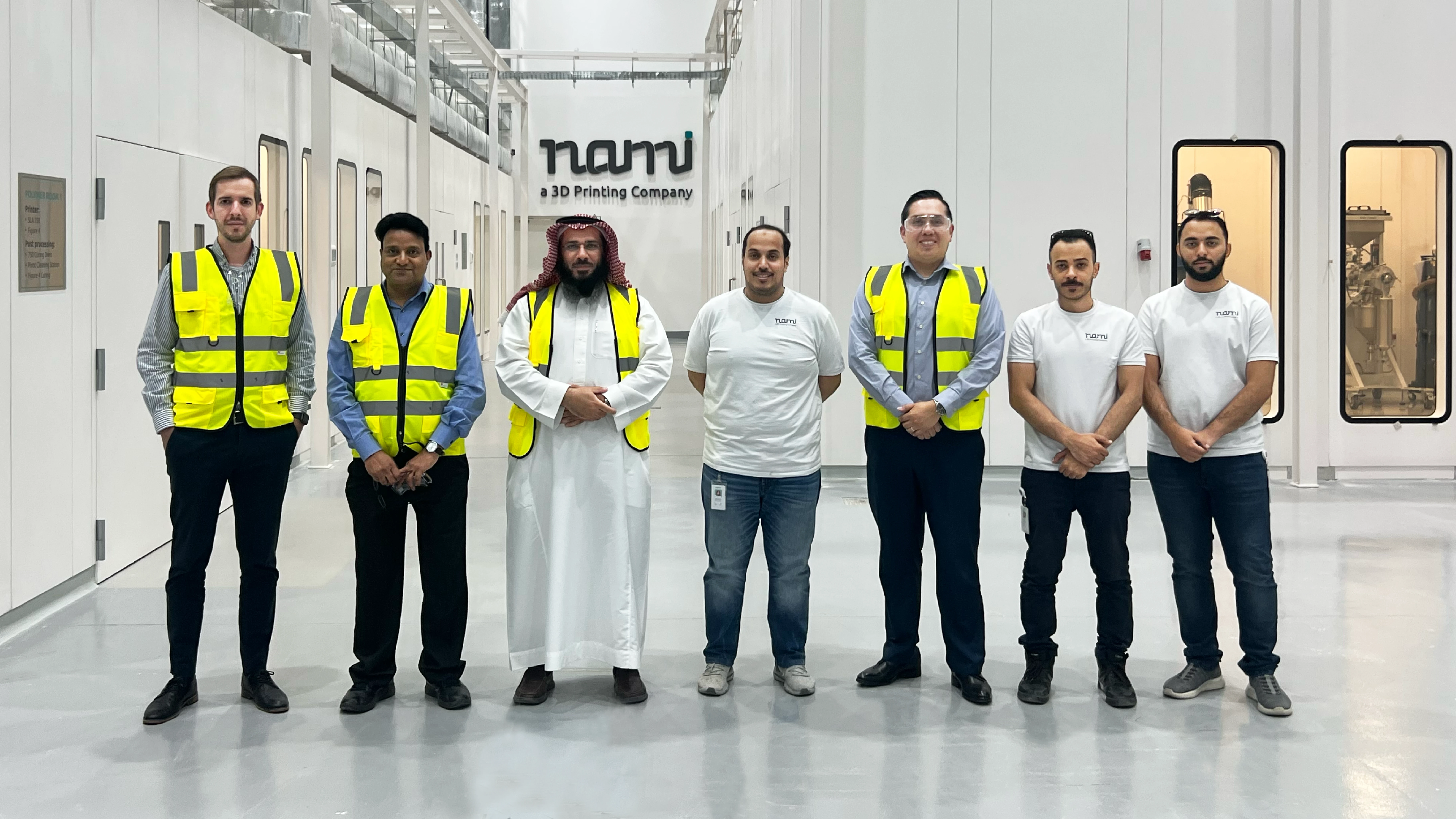
INITIATION OF AM FACILITY QUALIFICATION FOR OIL & GAS PARTS BY NAMI AND DNV
 article
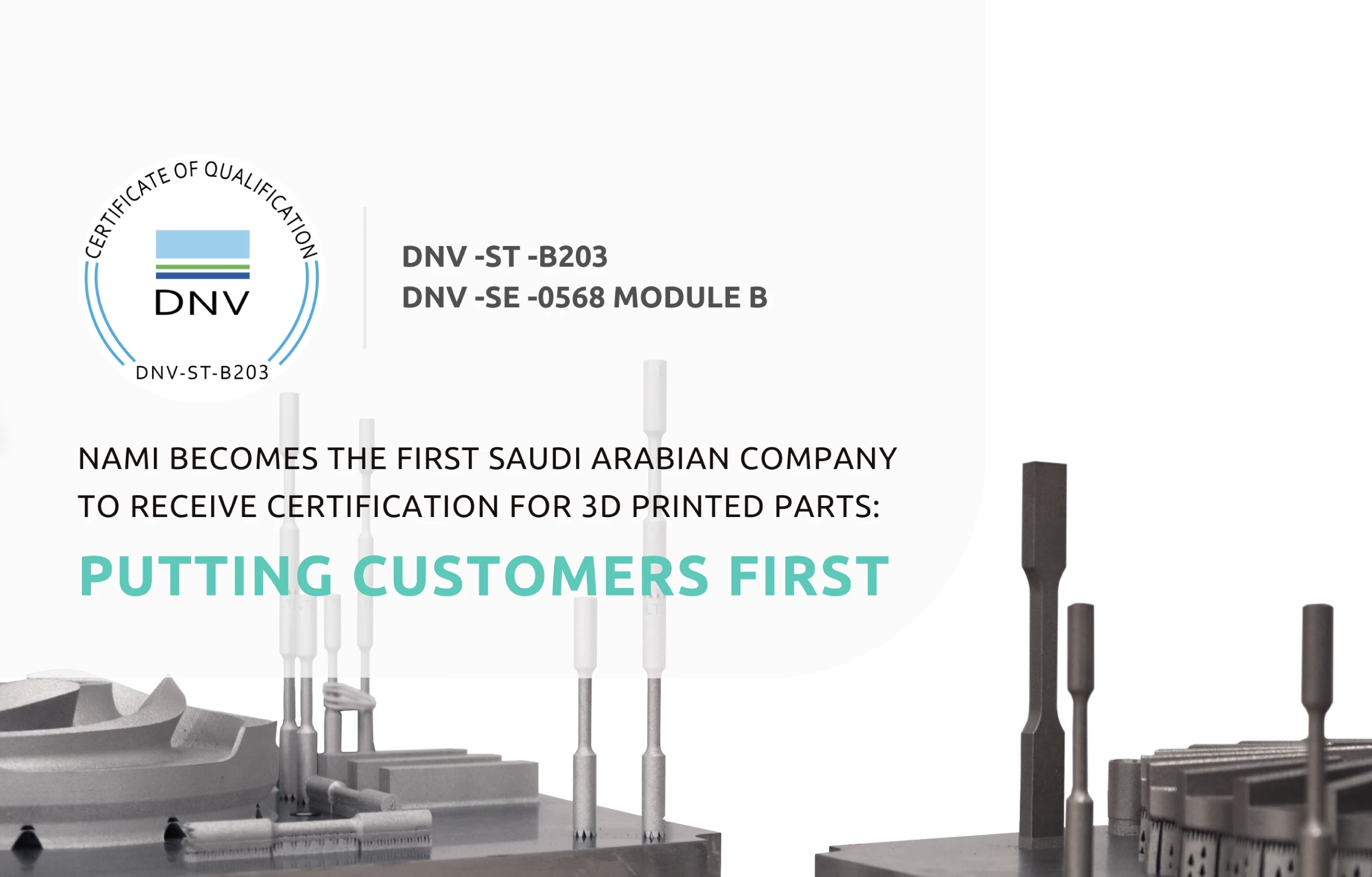
NAMI BECOMES THE FIRST SAUDI ARABIAN COMPANY TO RECEIVE CERTIFICATION FOR 3D PRINTED PARTS: PUTTING
 article
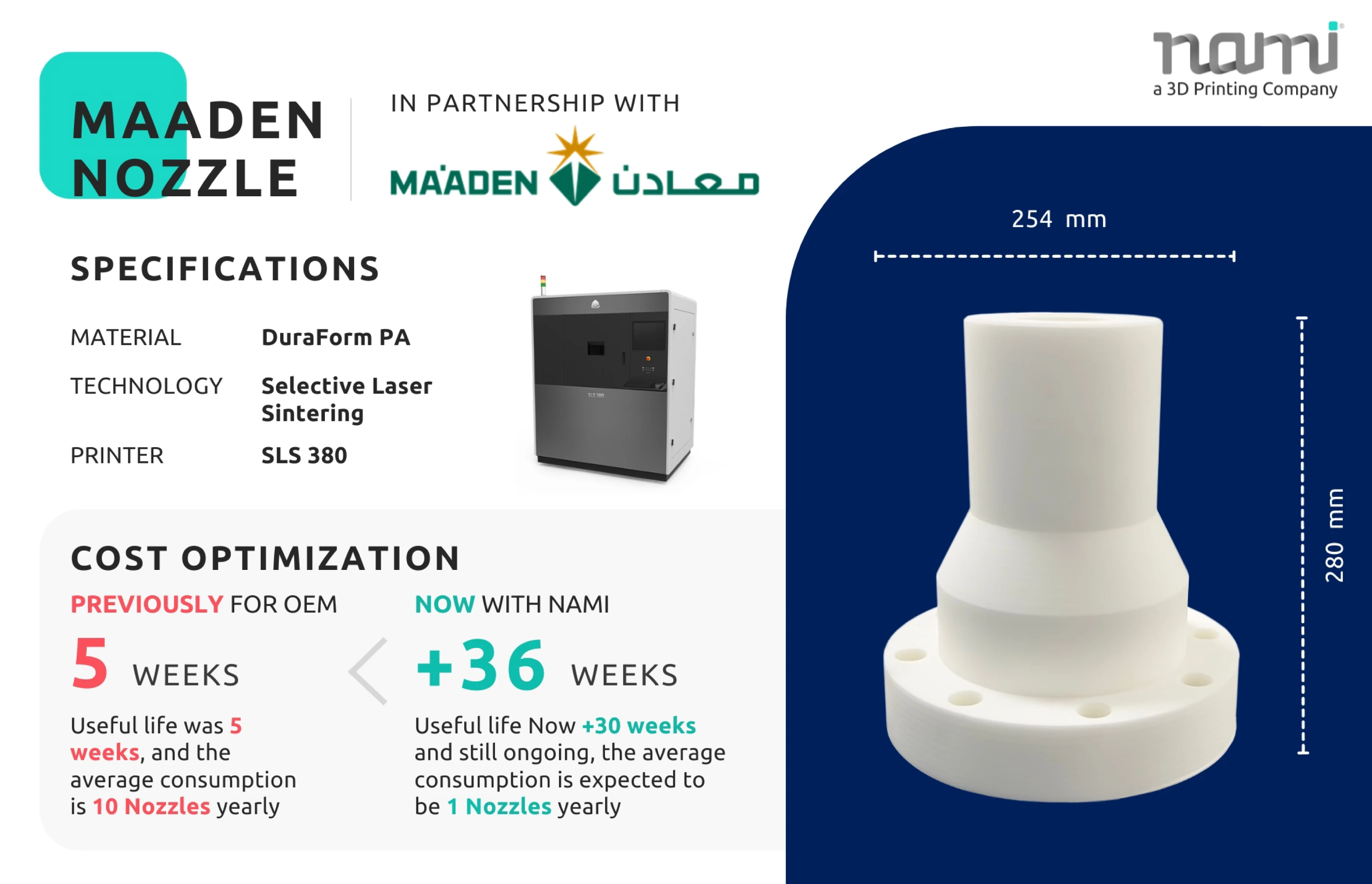
NAMI and MAADEN | A Groundbreaking Partnership in 3D Printing
 article
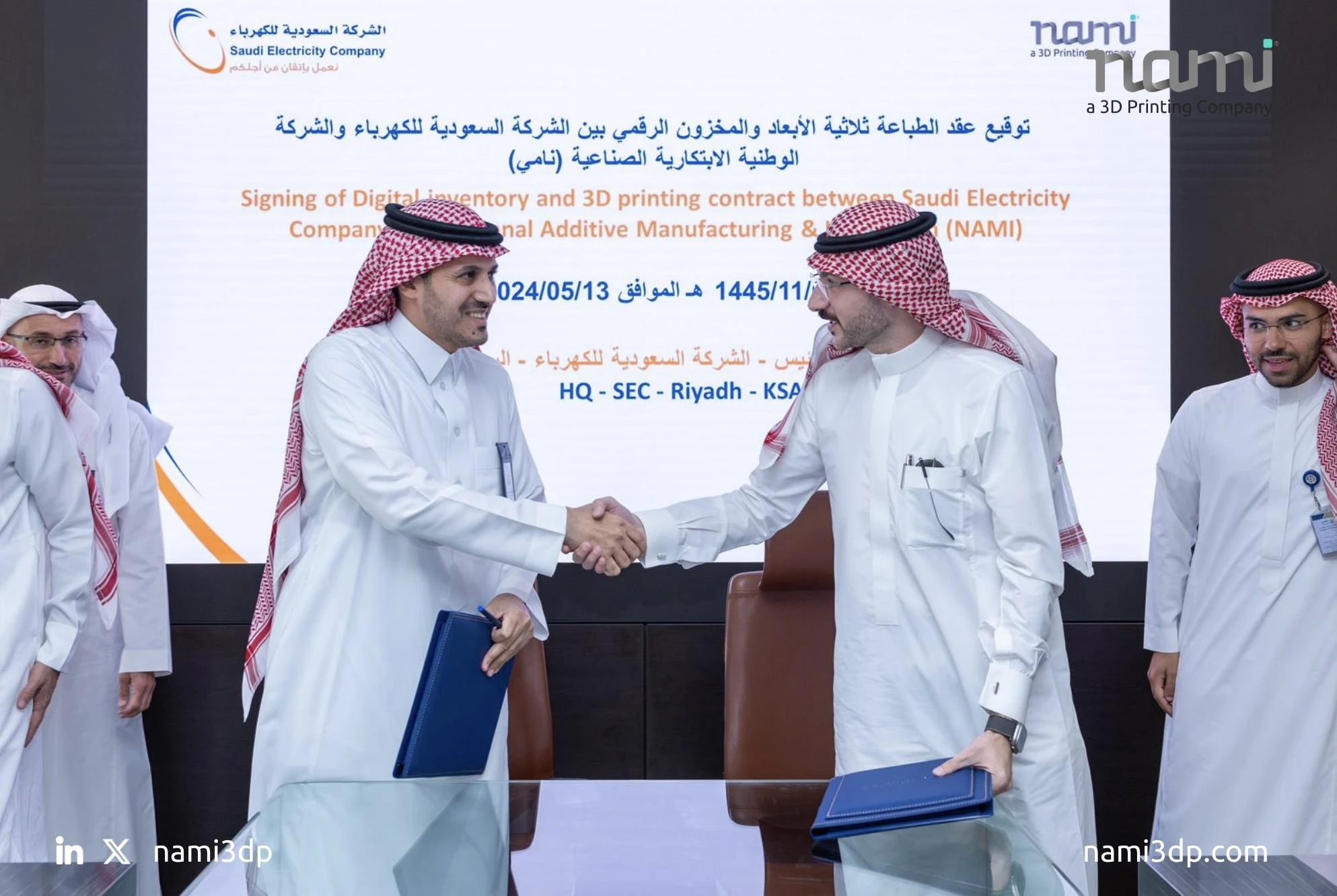
Signing of Digital inventory and 3D Printing agreement between Saudi SEC and NAMI
 article
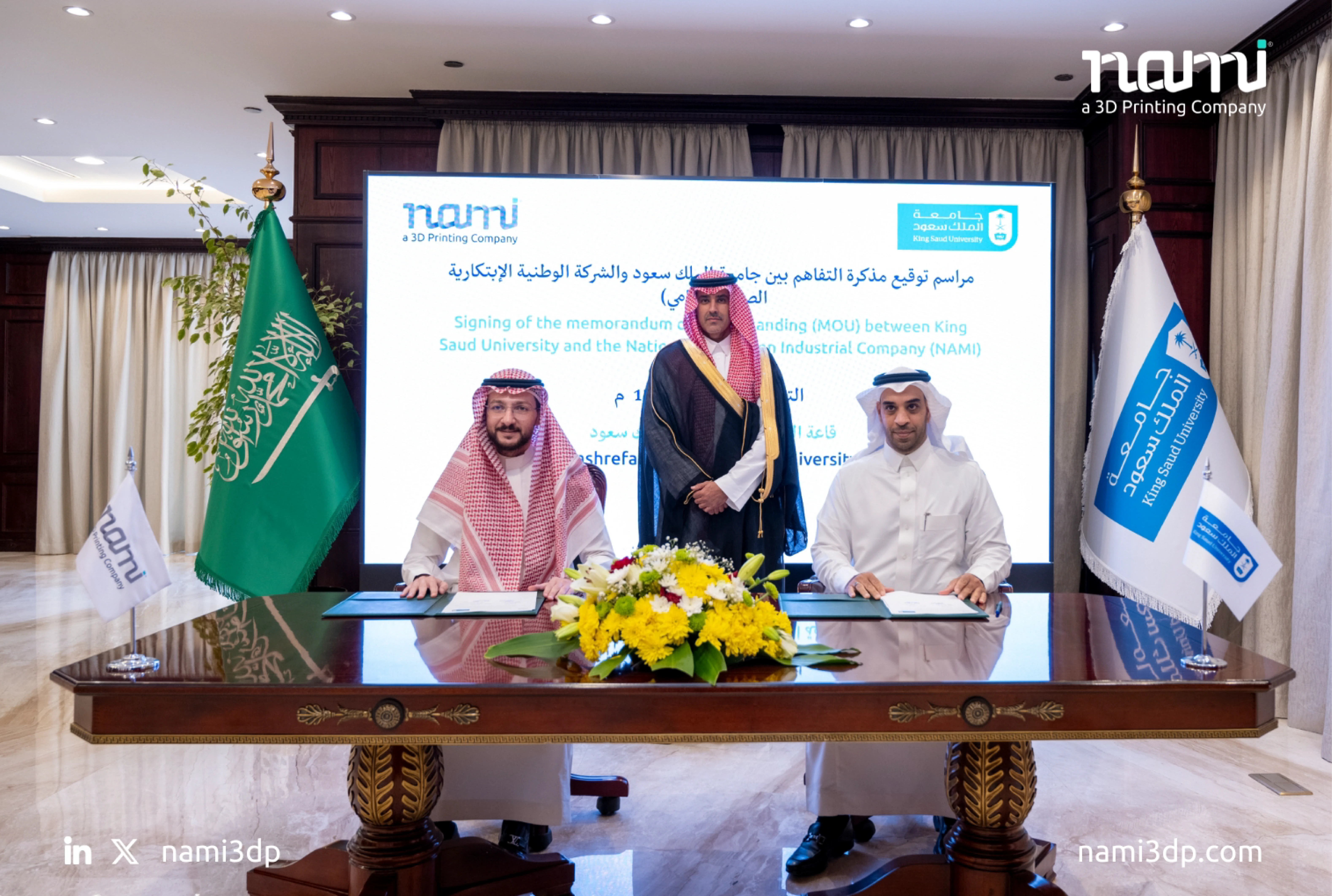
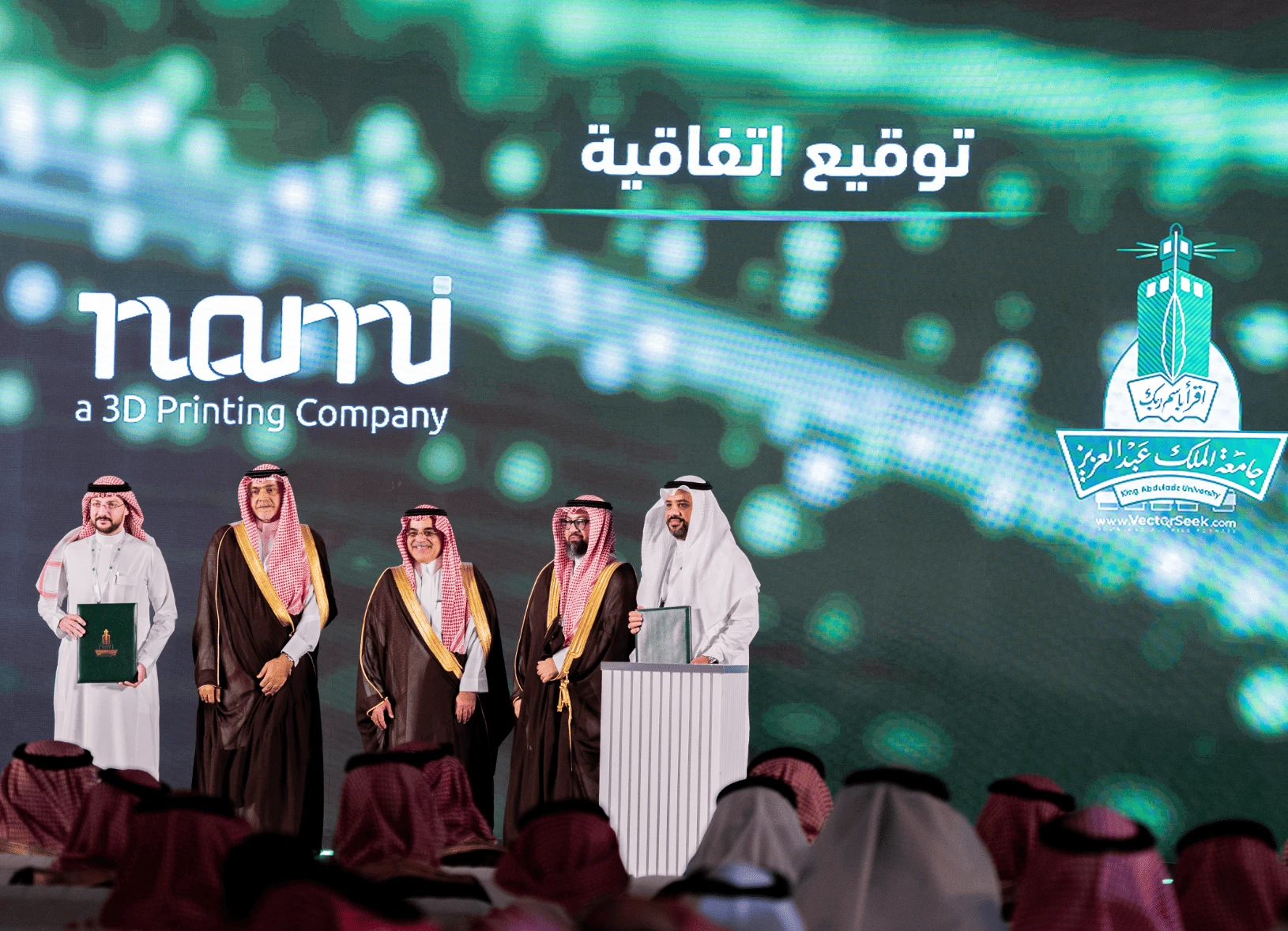
King Saud University and NAMI: A New Era of Innovation and Collaboration
 article
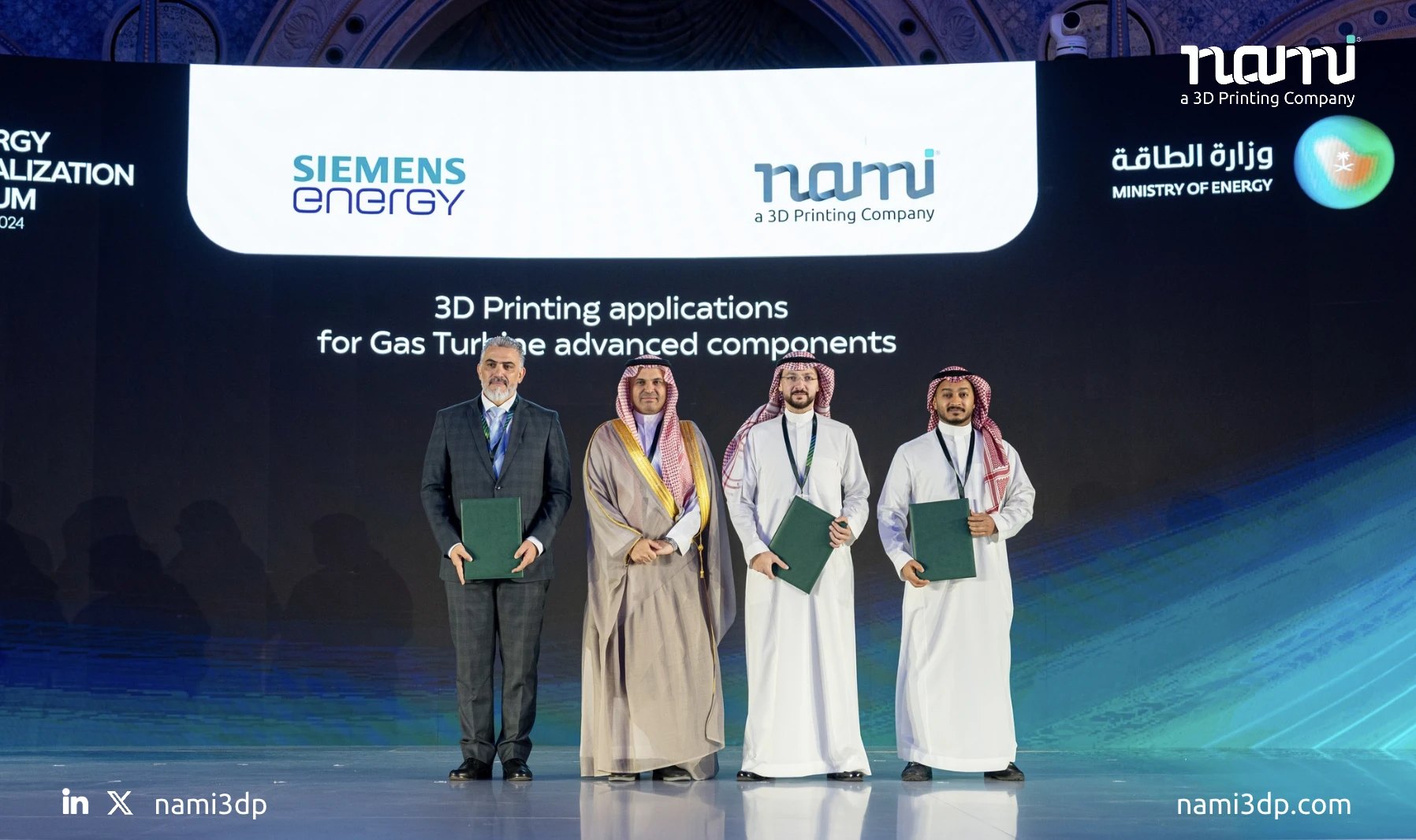
Siemens Energy and NAMI Collaboration
 article
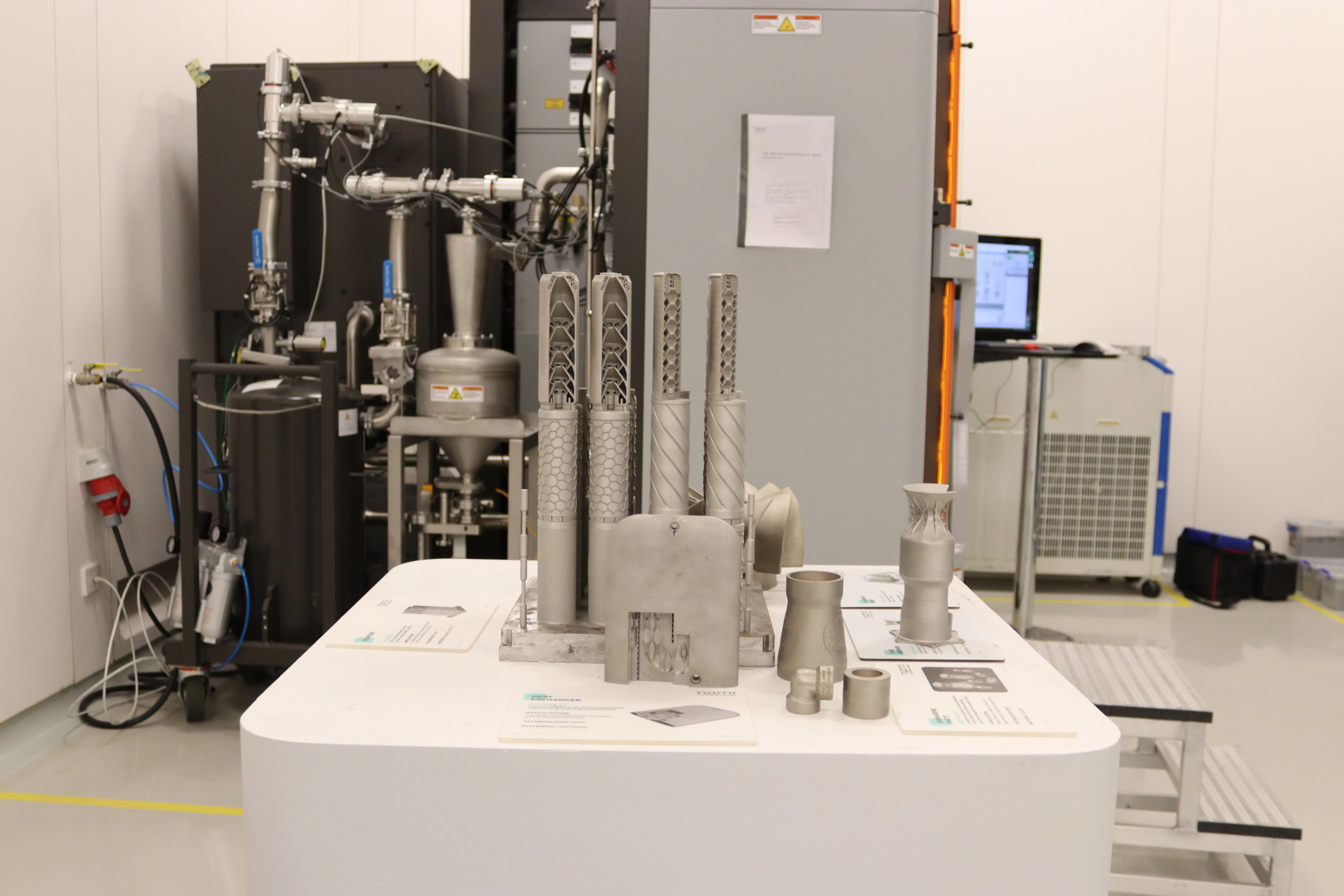
NAMI: Revolutionising Manufacturing in the Kingdom with 3D Printing
 article
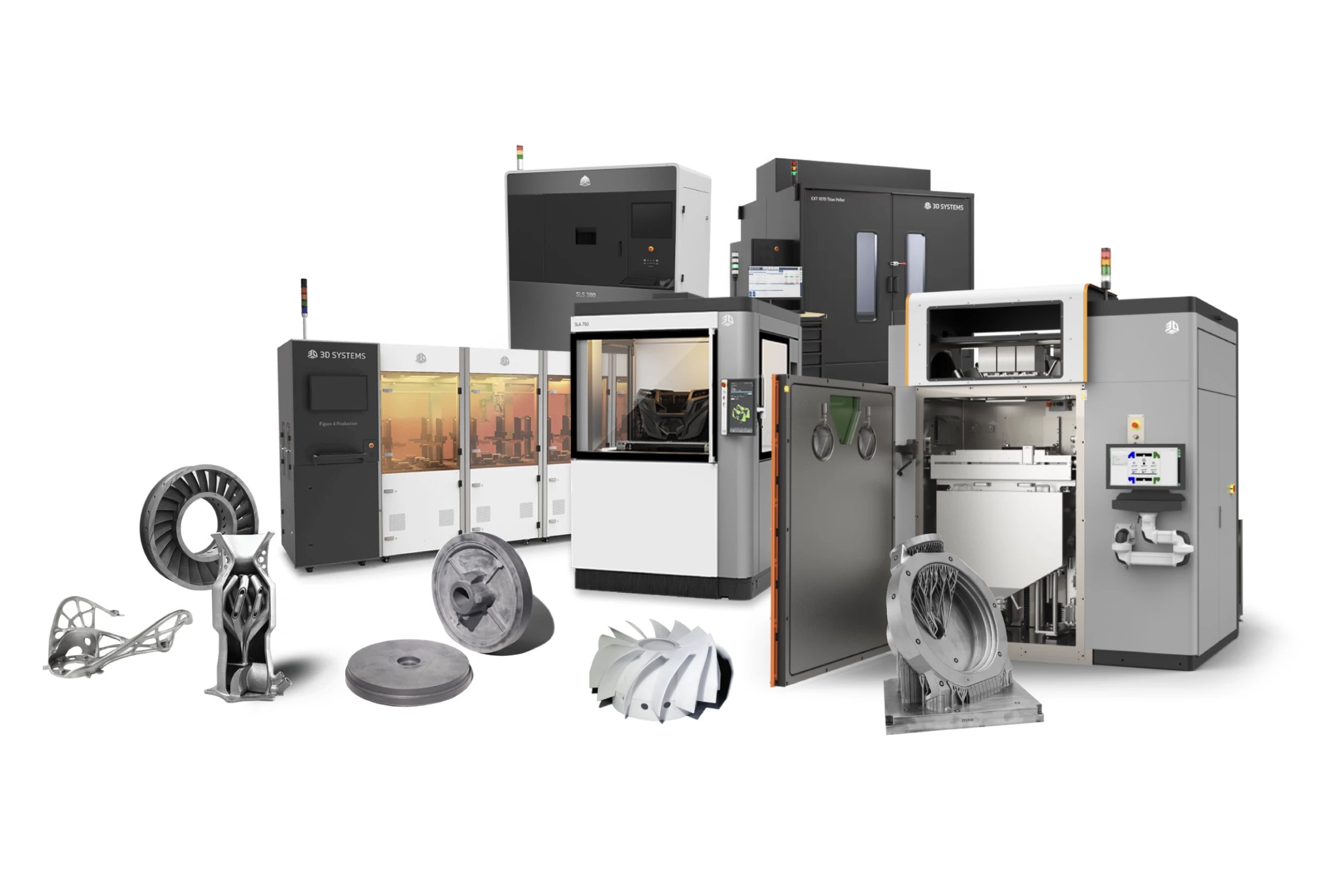
Towards a Local Industrial Future: How NAMI is Advancing Digital Manufacturing in Saudi Arabia
 article
Which 3D Printing Technology Best Fits Your Needs?
 article
Why Additive Manufacturing Is a Game-Changer for Saudi Industry?
 article
From Physical Shelves to Digital Assets: How Industries Save Millions Through Digital Warehouses
 article
NAMI and Lockheed Martin Collaborate for Additive Manufacturing Conversion Project
 article
NAMI and Saudi Electricity Company
 article
NAMI ACHIEVES AS/EN 9100 CERTIFICATION
 article
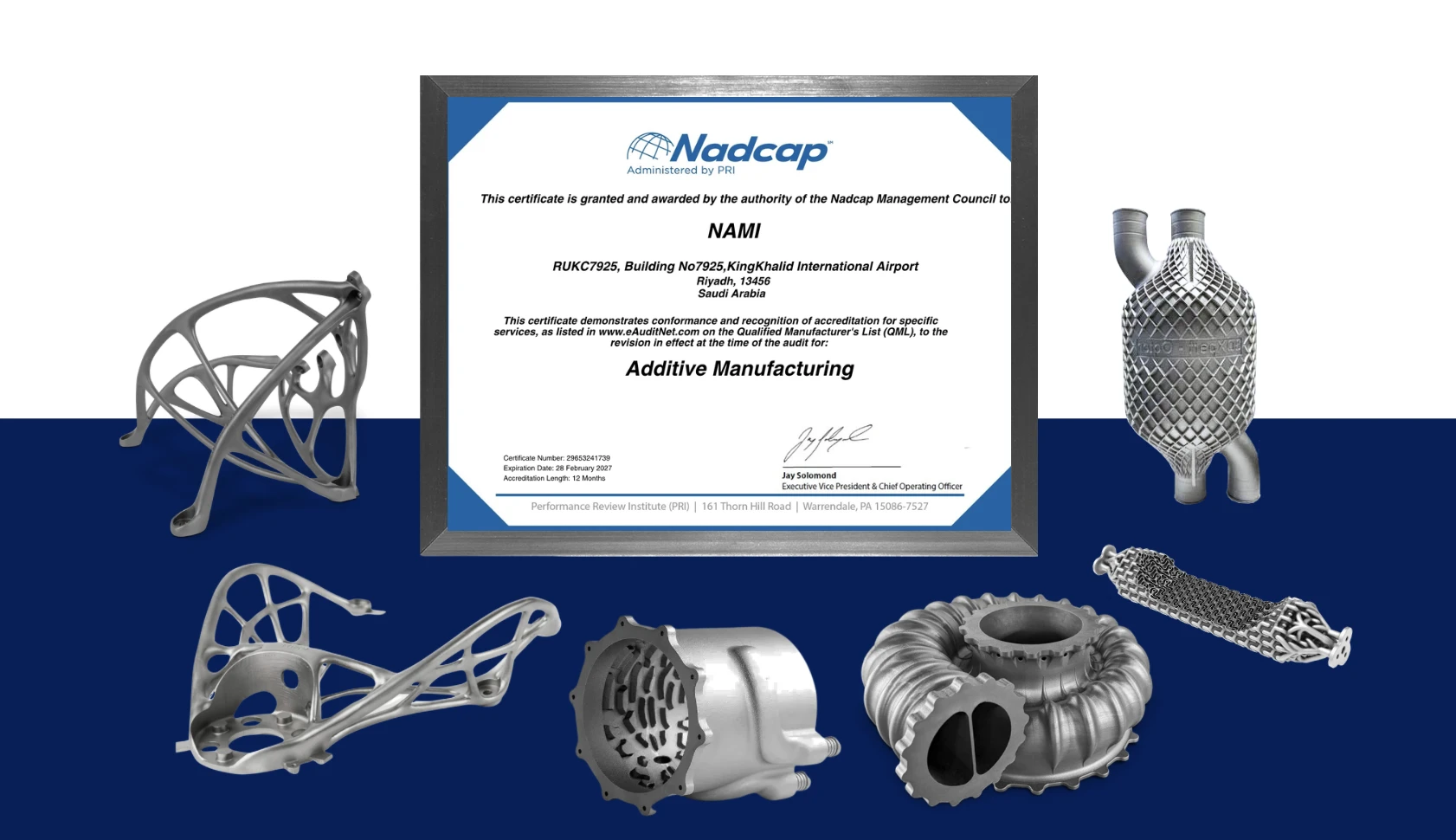
NAMI Achieves Nadcap Accreditation
 article
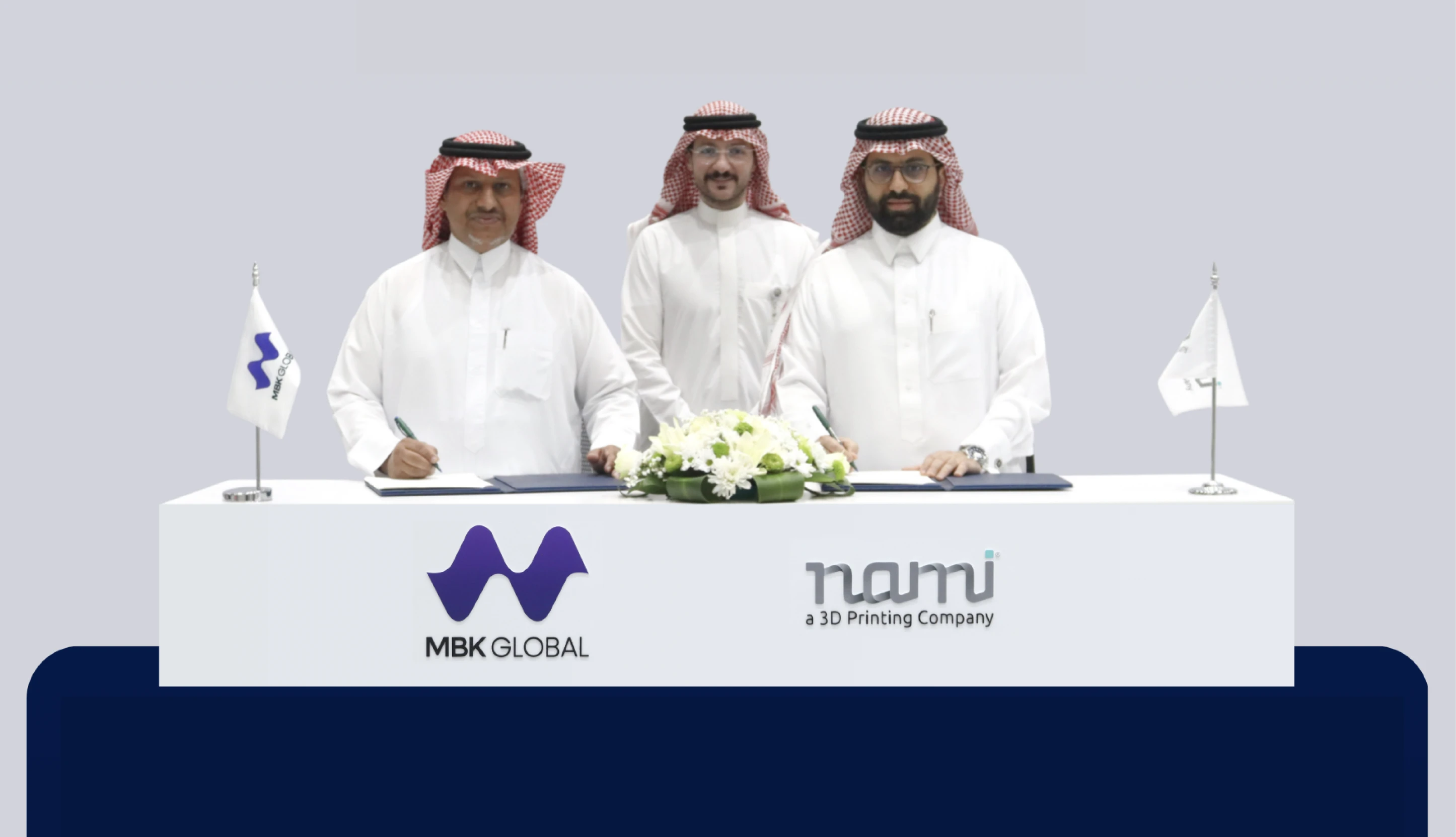
NAMI and MBK.Global Partnership
 article
Choosing the Right Part
 article
NAMI Obtains Military Manufacturing License
 article